2022 in Review
2021 in Review
Another year of the plague behind us, another 365 days of solitude. It’s hardly Marquez, but it certainly feels like life has been chugging along in neutral after so many heady years in first gear. The year was mostly dominated by work, with little in the way of holiday breaks, social activities or other diversions to break up the monotony.
So joining the yearly roundups from 2015, 2016, 2017, 2018, 2019 and 2020, here’s looking back over the second year of the plague, 2021.
2020 in Review
This year has been anything if not interesting. At the start, a lot of people around me seemed to answering the call for change, with numerous friends choosing to up sticks, start new careers, move houses, or meet new partners.
While little changed for me beyond shifting to working from home, one difference was saying goodbye to a forum I’d been running for nearly two decades. As no one had posted anything in nearly twelve months, and its use had been dwindling for some years already, it seemed the time had come to save some computing cycles and lay the bits to rest.
2019 in Review
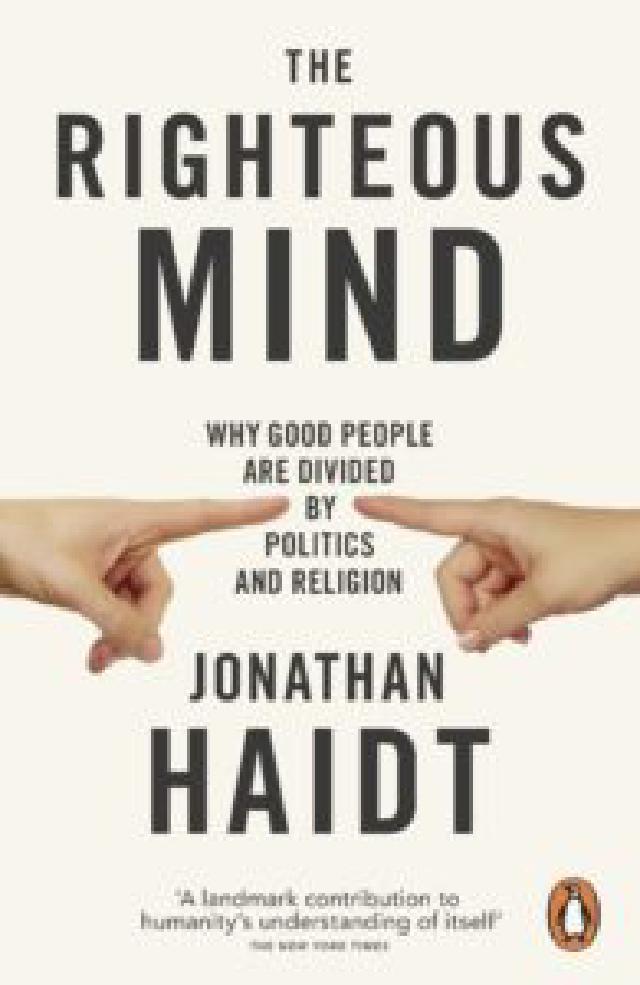
The Righteous Mind: Why Good People are Divided by Politics and Religion

Surveying today’s political landscape, it’s easy to suppose we’re approaching a precipice. Passionate intransigence divides societies into blocks which, even where decidedly secular, are rallied around with religious fetishism. It seems that ideological boundaries are increasingly hardening, poisoning the political dialogue, preventing constructive discourse and contributing to almost maddening levels of senseless blustering.
In The Righteous Mind, social psychologist Jonathan Haidt investigates the concept of morality and shows how differing political groups can reach such disparate conclusions from the same starting point. Gradually building up his argument, Haidt succinctly retreads a lot of territory covered elsewhere in more detail, but which is vital to understanding his standpoint.

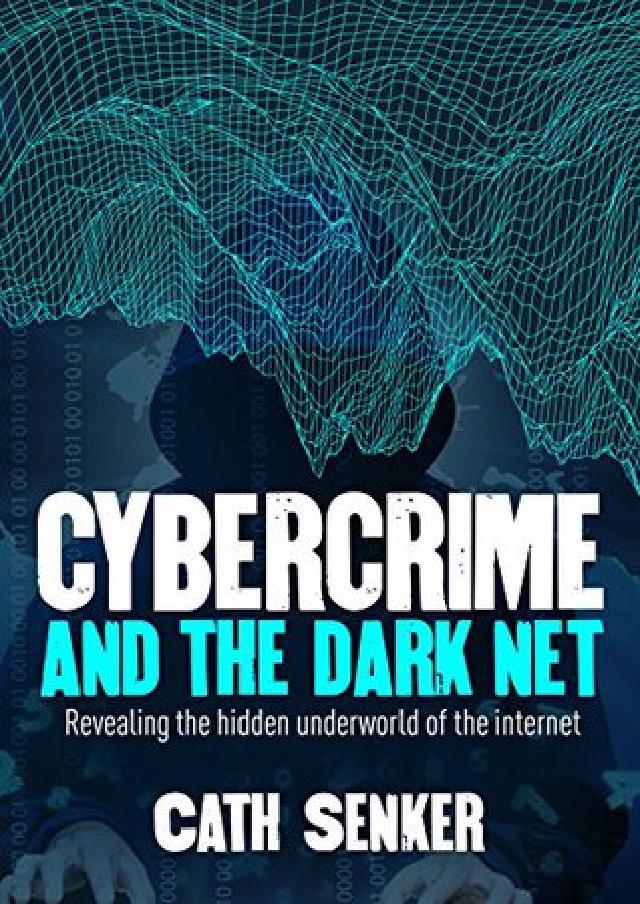
Cybercrime and the DarkNet

As society tries to catch up with the overwhelming advancements in technology of the past few decades, it is unsurprising that governments and legislators find themselves plugging the gaps where criminality can flourish. Developments in encryption, obfuscation, distribution and anonymisation give criminals and privacy activists alike a broad toolkit for conducting their activities away from prying eyes. In Cybercrime and the Dark Net, Cath Senker offers a brief and easily digested overview of this bewildering digital landscape. The book is essentially a collection of short vignettes covering a wide variety of different forms of cybercrime, with an essentially separate second section surveying the dark net.
2018 in Review
The Man Who Mistook His Wife’s Head for a Hat

Oliver Sacks describes cases involving all these issues and more in a classic survey of ‘losses’ and ‘excesses’ in the human brain. The patients are a fascinating array of characters each suffering from such unusual problems that the symptoms seem almost comical. The eponymous man who failed to identify his wife’s head suffered from a form of visual agnosia, leaving him incapable of identifying objects, although his visual acuity was not impaired. Another sufferer had lost all ability to form new memories, and indeed was stuck at some point in his past, incapable of progressing past that point.